
Preventing Pet Parasites in Sarasota’s Rainy Summer

Preventing Pet Parasites in Sarasota’s Rainy Summer
Florida’s summer brings more than just afternoon showers and lush green landscapes; it also creates the perfect breeding ground for pet parasites. If you are a pet owner in Sarasota, you know how quickly fleas, ticks, and mosquitoes seem to multiply during the hot, rainy months of July and August. These pests are not just a nuisance; they can carry dangerous diseases and cause significant discomfort for your dog or cat. At Parkway Veterinary Center, our team of veterinarians sees a spike in parasite-related cases every summer and we are committed to helping you protect your pets before problems arise. In this blog, we will explain how Sarasota’s summer weather affects parasite risk, what signs to watch for in your pets, and the best strategies for parasite prevention. We will also cover when it’s time to schedule a wellness check and how our comprehensive exams for pets can help detect and prevent parasite issues early. Whether you live near the coast or in the heart of the city, understanding parasite prevention can make all the difference in keeping your furry family members healthy and comfortable.
Recognizing the Signs of Parasite Trouble in Your Pet
Your dog or cat cannot tell you when something feels off, so it is important to recognize the subtle and not-so-subtle signs that could indicate a parasite problem. Fleas often cause itching, scratching, red or irritated skin, and in some cases, hair loss. You might notice your pet biting at their tail or sides, or see flea dirt (small black specks) in their fur. Ticks are sometimes easier to spot directly on the skin, especially after time spent outdoors, but their bites can also lead to localized swelling or even fever and lethargy if diseases are transmitted.
Mosquitoes, which thrive in the humid Sarasota climate, are responsible for spreading heartworms. Unlike flea and tick infestations, heartworm disease develops silently and may not show symptoms until it is advanced. Early signs of heartworm in dogs include coughing, decreased activity, weight loss, and fatigue after moderate exercise. In cats, symptoms can be even less obvious and range from coughing and vomiting to sudden collapse in severe cases.
If you notice excessive scratching, unexplained skin irritation, a sudden drop in energy, coughing, or changes in appetite, these could all point to a parasite issue. Regular grooming and close observation are key, especially during the height of Sarasota’s summer.
Why Sarasota’s Summer Climate Increases Parasite Risks
Sarasota’s summer is hot, humid, and often rainy, creating the perfect storm for parasites to thrive. Fleas and ticks favor warm, moist environments, while mosquitoes breed rapidly in standing water left by summer storms. These conditions mean that even indoor pets are at risk, as parasites can be brought in on clothing, shoes, or other animals.
The life cycles of fleas, ticks, and mosquitoes all speed up in high temperatures and humidity. Fleas can go from eggs to adults in as little as two to three weeks, multiplying rapidly if not addressed. Tick populations are also more active in the summer, increasing the chances of your pet picking up these pests during walks or time in the yard. Mosquitoes, drawn to standing water, become much more prevalent after summer rains, raising the risk of heartworm transmission.
Even if your pet spends most of their time indoors, the increased parasite pressure in Sarasota during the summer months means no pet is completely safe without prevention. Understanding these environmental factors is the first step in protecting your pet’s health.
Treatment and Professional Management of Parasites
When it comes to treating a parasite infestation, early intervention is key. If your pet is already showing signs of fleas or ticks, our veterinary team at Parkway Veterinary Center will conduct a thorough examination to confirm the type of parasite and recommend the most effective treatment. For fleas, treatment options typically involve topical or oral medications that kill adult fleas and disrupt the life cycle to prevent reinfestation. In some situations, medicated shampoos or sprays may be used, especially in severe cases.
Ticks are usually removed manually using safe techniques to avoid leaving mouthparts embedded, followed by medication to prevent future attachments. If a tick-borne illness is suspected, we may recommend bloodwork or additional diagnostics from our in-house laboratory to identify any underlying infections.
Heartworm disease requires a different approach. If your dog or cat tests positive for heartworms, the treatment can be complex and must be tailored to the stage of the disease. For dogs, this may involve a series of injections and strict activity restriction, while options for cats are more limited and focus on supportive care. Because heartworm disease is much easier to prevent than treat, our veterinarians strongly recommend regular screening and year-round prevention for all pets in Sarasota.
Preventing Parasites: Home Care and Veterinary Strategies
Prevention is always better than cure, and the good news is that there are many effective ways to protect your pets from parasites. The first step is consistent use of veterinarian-recommended parasite preventives. These medications, available as topical treatments, oral chewables, or collars, are designed to protect against fleas, ticks, and in many cases, heartworms. Our veterinarians can help you select the best option based on your pet’s age, lifestyle, and medical history.
Maintaining a clean environment is also important. Regularly wash your pet’s bedding, vacuum carpets and upholstery, and treat your yard to reduce flea and tick populations. Keep grass trimmed and remove standing water from around your home to minimize mosquito breeding grounds. Year-round prevention is especially important in Sarasota, where the climate allows parasites to remain active even outside the summer months.
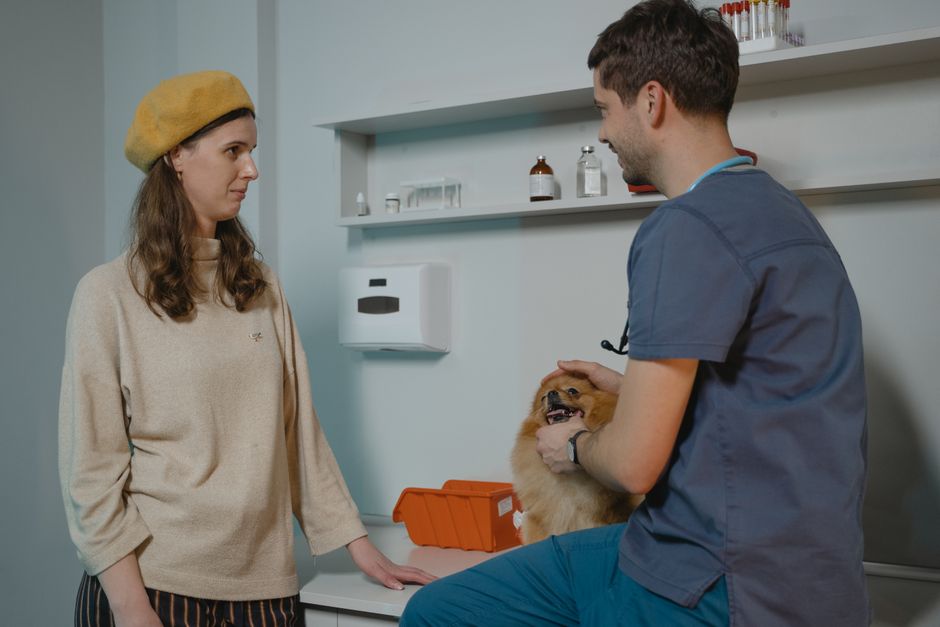
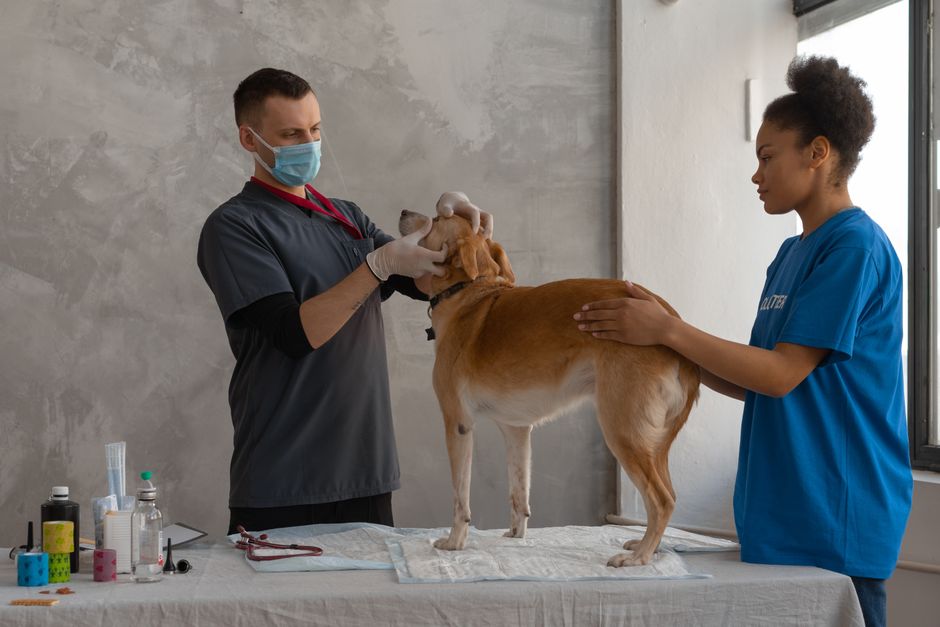
Routine veterinary visits play a crucial role in early detection and prevention. During your pet’s comprehensive exam, our team checks for signs of parasites, skin irritation, or abnormal findings that could indicate early infestations. We also provide heartworm testing services to ensure your pet is protected before starting or continuing preventative medications.
Proper grooming is another essential step in parasite prevention. Regular brushing allows you to check for fleas or ticks and keeps your pet’s coat healthy. If you need assistance, our grooming services can help maintain your pet’s skin and coat, making it less hospitable for parasites.
When to Schedule a Veterinary Visit
Knowing when to seek professional help can make all the difference in your pet’s health. You should schedule an appointment if you notice persistent scratching, hair loss, red or inflamed skin, visible fleas or ticks, or any of the symptoms described earlier. Additionally, if your pet is not currently on a parasite preventive or has missed doses, now is the time to act.
Annual or semi-annual wellness exams are a cornerstone of effective parasite prevention, especially in Sarasota’s climate. Our veterinary team will tailor prevention protocols to your pet’s risk factors and lifestyle, update necessary vaccinations, and perform diagnostic screenings for heartworms and other parasites. New puppies and kittens, as well as senior pets, are particularly vulnerable and may require more frequent monitoring. If you are unsure whether your current prevention plan is adequate or safe for your pet, our veterinarians are happy to review options with you during your next visit.
Supporting Your Pet’s Health All Summer Long
At Parkway Veterinary Center, we understand how much you care about your pet’s comfort and wellbeing. Sarasota’s rainy summer weather may create more challenges, but with the right prevention strategies and routine veterinary care, you can keep your dog or cat safe from fleas, ticks, and heartworms. Remember to use your prescribed parasite preventives consistently, maintain a clean home and yard, and watch for any signs of discomfort or illness in your pet.
If you have questions about parasite prevention, need help choosing the right medication, or want to schedule a wellness examination, our veterinary professionals are here to support you. When searching for a vet near me, look for a veterinary team that prioritizes preventive care and has experience with the unique risks of Florida’s climate. To schedule an appointment or discuss your pet’s needs, contact Parkway Veterinary Center at (941) 351-8888 or visit us at 2820 University Pkwy, Sarasota, FL 34243. We are proud to serve Sarasota and the surrounding communities, helping every pet enjoy a healthy, parasite-free summer.
This blog is intended for informational purposes only and should not replace professional veterinary advice. Always consult your veterinarian for specific recommendations regarding your pet’s health and parasite prevention.