
Feline Health in Florida: Keeping Indoor Cats Happy and Cool
Feline Health in Florida: Keeping Indoor Cats Happy and Cool
Florida’s sunny weather may be one of the reasons you love living in Sarasota, but for your indoor cat, the long, hot summers can present unique challenges. Many pet owners are surprised to learn that even cats who never set paw outside can struggle with heat, humidity, and boredom during Sarasota’s steamy July months. At Parkway Veterinary Center, conveniently located at 2820 University Pkwy, Sarasota, FL 34243, our team of veterinarians understands the importance of year-round feline wellness—especially in Florida’s climate. This blog will guide you through recognizing signs of heat stress, understanding why indoor cats need preventive care, and offer practical tips to keep your cat happy, healthy, and cool all year long. We’ll also explain how regular veterinary visits, including comprehensive exams, play a vital role in your cat’s well-being.
Recognizing When Your Indoor Cat May Be Uncomfortable
It’s easy to assume that indoor cats are shielded from the hazards of Florida’s summer heat, but the reality is more complex. While your home provides a buffer from outdoor extremes, indoor cats are still at risk for overheating, dehydration, and related health issues. Warning signs that your cat may be struggling with the heat include excessive panting, drooling, lethargy, or restlessness. You might also notice your cat avoiding sunny spots, seeking out cool surfaces such as tile floors, or spending more time stretched out than curled up. In some cases, cats may eat less or act irritable. These symptoms can signal that your cat is uncomfortable or even approaching heat stress. Cats are masters at hiding discomfort, so subtle changes in behavior—such as less interest in play, grooming more than usual, or hiding more often—should also raise a flag. If your cat seems out of sorts during hot weather, it’s important to pay attention and act early.
Why Florida’s Climate Poses Special Challenges for Indoor Cats
Sarasota’s climate is characterized by high humidity, frequent temperature swings, and many months of intense sunshine. Indoor cats may not be exposed directly to the elements, but homes can heat up quickly during the day—especially if your air conditioning is inconsistent or the power goes out. Humidity also affects cats, making it harder for them to regulate body temperature through grooming or panting. Unlike dogs, cats do not sweat; their primary cooling mechanism is through grooming, which allows saliva to evaporate and cool the skin. However, this process is much less efficient in a humid environment. Additionally, many Florida homes have large windows and sunrooms where cats love to bask, but these areas can become dangerously hot in summer afternoons. Beyond temperature, the Florida lifestyle means many homes are closed up tightly for air conditioning, which can lead to poor air circulation and stale indoor environments that exacerbate feline discomfort. Finally, summer storms and hurricane season can bring unexpected power outages, leaving indoor cats vulnerable to rising temperatures.
Supporting Your Cat’s Health with Professional Veterinary Care
One of the best ways to ensure your cat thrives during Sarasota’s summer and throughout the year is by maintaining a strong partnership with your veterinary team. At Parkway Veterinary Center, we recommend routine semi-annual comprehensive exams as a cornerstone of preventive health. These visits allow our veterinarians to check for early signs of dehydration, heat stress, or any underlying conditions that may be exacerbated by Florida’s climate. During your cat’s wellness examination, we assess hydration status, weight changes, skin condition, and respiratory health. We also discuss your cat’s home environment and provide tailored advice for keeping your feline cool and comfortable. If your cat has a chronic health condition, such as kidney disease or heart problems, our comprehensive care approach ensures you receive guidance specific to your cat’s unique needs. Our diagnostic laboratory services can quickly screen for issues like infections or metabolic imbalances that may worsen in hot, humid weather. By scheduling regular checkups, you help catch problems early and keep your indoor cat feeling their best.
Practical Tips for Keeping Indoor Cats Happy and Cool at Home
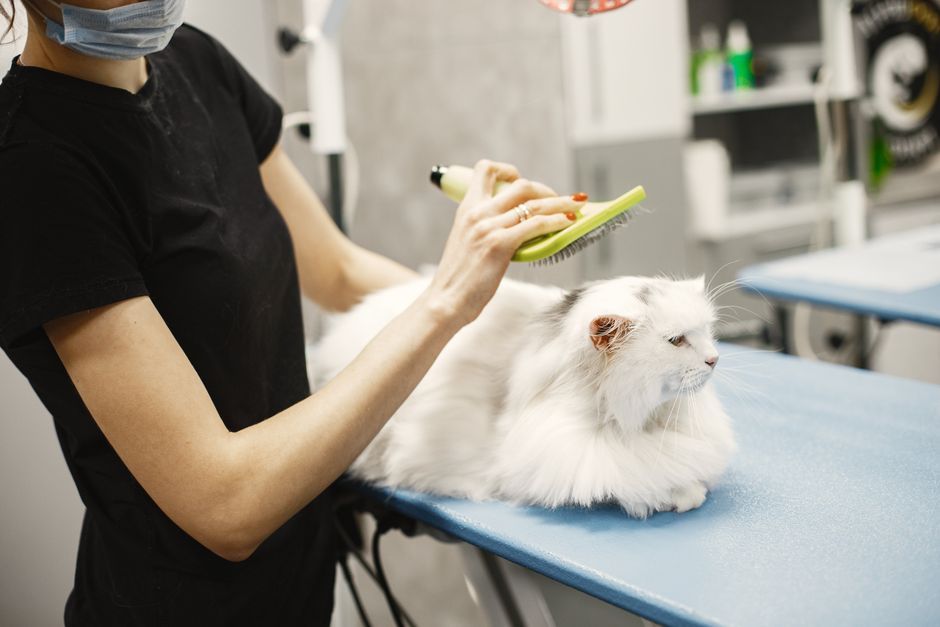
While professional veterinary care is essential, there are many steps you can take at home to support your cat’s comfort and well-being during the summer months. Ensuring your home stays at a safe temperature is crucial; most cats are happiest when the indoor temperature is between 68 and 78 degrees Fahrenheit. If possible, leave your air conditioning running during the hottest parts of the day, especially if you are away from home. Place water bowls in several locations, and consider using pet water fountains to encourage drinking, as cats are naturally less inclined to hydrate adequately. Fans and open interior doors improve air flow, helping prevent hot spots in your home. Offer cool resting areas, such as tile floors or shaded corners, and close curtains in rooms that receive intense afternoon sun. Interactive play sessions in the early morning or evening, when temperatures are lower, help your cat stay active and mentally stimulated. For cats who love to bask in the sun, supervise their time in sunrooms and limit access during peak heat hours. Grooming is especially important in Florida’s humid climate; regular brushing removes excess fur and helps your cat’s natural cooling processes. Our veterinary team can provide nutrition advice to ensure your cat’s diet is appropriate for their age, health status, and seasonal needs.
Preventing Heat-Related Health Issues in Indoor Cats
Preventing heat-related illness in Florida’s indoor cats starts with awareness and simple daily routines. Monitor your cat’s behavior closely when temperatures rise, and watch for subtle signs of discomfort such as hiding, excessive grooming, or reduced appetite. Always ensure fresh, clean water is available, and clean bowls daily to encourage drinking. If you anticipate a power outage during summer storms, prepare by creating a cool, safe area with battery-powered fans or cooling mats. Limit strenuous play during the hottest parts of the day, and provide quiet, shaded spaces for rest. For multi-cat households, make sure there are enough cool resting areas for everyone. If you notice your cat panting, drooling, or becoming lethargic, move them to a cooler environment immediately and offer water. Never leave windows open without secure screens, as the temptation to explore can be strong when cats seek cooler air. By staying proactive and attentive, you can minimize the risk of heat stress and keep your cat comfortable all season long.
When to Seek Veterinary Care for Heat Stress or Illness
Despite your best efforts, there may be times when your cat needs prompt veterinary attention. Contact Parkway Veterinary Center if your cat is experiencing persistent panting, drooling, vomiting, diarrhea, unsteady movements, or sudden weakness during hot weather. These signs can indicate serious heat-related illness or dehydration, both of which require prompt intervention. If your cat collapses, has difficulty breathing, or becomes unresponsive, seek emergency veterinary care immediately. Even if symptoms seem mild, a call to your veterinarian can provide peace of mind and prevent complications. Our team is here to help you determine whether your cat’s symptoms warrant an appointment or urgent evaluation. Remember, indoor cats with chronic health conditions, seniors, or kittens are especially vulnerable to temperature extremes and may require more frequent monitoring. Regular checkups and open communication with your veterinary team are essential for year-round feline wellness in Sarasota’s unique climate.
Why Preventive Care Matters for Indoor Cats in Sarasota
There is a common misconception that indoor cats are immune to health risks, but the reality is that preventive care is just as important for indoor cats as it is for outdoor explorers. Florida’s climate, combined with the natural tendency of cats to mask illness, means that subtle health changes can go unnoticed until they become serious. Routine comprehensive exams allow our veterinarians to identify and address early warning signs, from dental disease and weight fluctuations to skin problems and dehydration. Preventive care also includes vaccination services, parasite control, and nutritional counseling tailored to your cat’s lifestyle and environment. By staying proactive, you help your cat enjoy a longer, happier life—no matter how high the thermometer climbs outside.
Your Partner in Feline Health: Parkway Veterinary Center in Sarasota
Keeping your indoor cat happy and cool in Florida is a team effort, and Parkway Veterinary Center is here to support you every step of the way. From routine checkups to expert advice on climate-specific challenges, our veterinary professionals are dedicated to helping your cat thrive. If you have questions about your cat’s comfort, need guidance on summer care, or want to schedule a wellness examination, we encourage you to call us at (941) 352-2674 or visit our Sarasota location. When searching for a veterinarian near me, choosing a clinic that understands the unique needs of Florida cats makes all the difference. Let us help you create a safe, comfortable, and enriching environment for your feline companion—no matter what the Sarasota weather brings. For more information about our comprehensive exams and preventive care programs, reach out to our team today. Your cat’s well-being is always our top priority.