
Hydration and Summer Safety Tips for Sarasota Pets


Hydration and Summer Safety Tips for Sarasota Pets
As the warmth of late spring turns into the long, sunny days of summer here in Sarasota, FL, pet owners naturally start to worry about keeping their dogs and cats safe and comfortable. The Florida sun can be relentless, and our pets rely on us to help them stay cool, hydrated, and protected from seasonal hazards. At Parkway Veterinary Center, we understand how important your pet's well-being is during the hot months. This blog will guide you through recognizing the signs of dehydration and heat stress, understanding what causes these issues in Sarasota’s climate, and exploring practical ways to keep your pet healthy as the temperature rises. You will also find information about when to seek veterinary care and how our veterinary team at 2820 University Pkwy, Sarasota, FL 34243 can support you and your pet this summer.
If you’re looking for more tips on seasonal nutrition or want to learn about our comprehensive wellness programs for pets, feel free to explore our resources on nutrition services for pets and comprehensive wellness exams for pets.
Recognizing Signs of Dehydration and Heat Stress in Pets
Florida’s high humidity and soaring temperatures can quickly lead to dehydration and heat-related illnesses in dogs and cats, even during what feels like a short time outdoors. Knowing what to look for is the first step in protecting your pet from seasonal dangers.
Common Symptoms in Dogs and Cats
Warning signs of dehydration in pets include sticky or dry gums, sunken eyes, lethargy, and decreased skin elasticity. You might also notice that your pet is panting excessively, has a dry nose, or seems reluctant to move or play. Heat stress, which can progress to heatstroke, often manifests as heavy panting, drooling, rapid heartbeat, vomiting, diarrhea, confusion, and, in severe cases, collapse or seizures.
Some pets, particularly flat-faced breeds such as Bulldogs, Pugs, and Persian cats, are even more vulnerable to the effects of heat and dehydration. Senior pets and those with chronic health conditions are also at higher risk. If your dog or cat is spending time outdoors, riding along in the car, or even relaxing in a sunny spot inside, keep a close watch for these symptoms.
Subtle Signs You Might Miss
Sometimes, the signs of dehydration and heat stress are not obvious. Early signs can include restlessness, reduced appetite, or seeking out cool surfaces in the home. Cats may hide or groom themselves excessively, while dogs may pace, whine, or appear anxious. If you notice these behaviors, it’s a good idea to check your pet’s hydration status and offer water right away.
Why Pets Are at Risk: Understanding the Causes
The Sarasota area experiences not only high temperatures but also significant humidity, which can make it harder for pets to cool themselves. Unlike humans, dogs and cats primarily regulate their body temperature through panting and, to a lesser extent, sweating through their paw pads. This natural limitation means they can overheat quickly in certain conditions.
Environmental and Lifestyle Factors
Several factors increase the risk of dehydration and heat stress. Hot pavement and sand can raise body temperature and burn sensitive paw pads. Limited access to fresh water, exercise during peak heat hours, and confinement in spaces without adequate shade or ventilation all contribute to dangerous situations. Even pets who spend most of their time indoors can be at risk if air conditioning fails or if they are left in sunny, unventilated rooms.
Travel in vehicles poses a significant risk, as temperatures inside cars can rise to lethal levels within minutes, even with the windows cracked. Additionally, pets with thick coats or overweight pets are less able to dissipate heat, while young puppies and kittens or older pets struggle to regulate their body temperature effectively.
Nutritional and Health Considerations
Proper nutrition plays an essential role in keeping your pet hydrated and healthy. Pets eating a dry kibble diet may require more water intake compared to those fed wet food. Underlying medical conditions, such as kidney disease or diabetes, can further predispose pets to dehydration. Our nutrition services for pets can help you tailor your pet's diet to the season and their individual health needs.
Professional Treatment and Support for Dehydrated or Overheated Pets
If your pet is showing signs of heat stress or dehydration, timely intervention by a veterinary professional is crucial. At Parkway Veterinary Center, our veterinary team is equipped to assess and treat pets experiencing these emergencies with compassion and expertise.
What to Expect During a Veterinary Visit
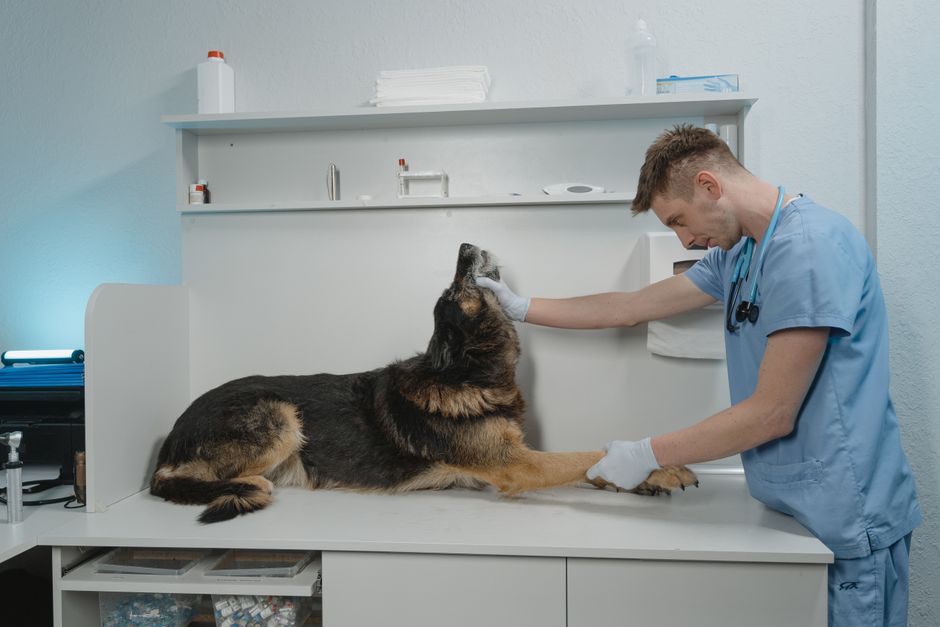
When you bring your pet in for evaluation, our veterinarians will start by performing a physical examination, including checking for dehydration, assessing vital signs, and looking for complications such as organ stress or heatstroke. We may recommend laboratory tests to check for electrolyte imbalances or underlying health issues. Treatment options involve gradually rehydrating your pet with fluids, either orally or intravenously, and supporting body temperature with cooling therapies. In severe cases, hospitalization and intensive monitoring may be necessary.
Our clinic’s diagnostic laboratory and digital radiology services allow us to provide comprehensive care and monitor your pet’s recovery. If your pet has a known medical condition or is a senior, we may advise additional follow-up visits or adjustments to their ongoing care plan. You can learn more about our comprehensive wellness exams for pets to ensure your pet is prepared for the summer months.
Keeping Your Pet Safe: Prevention and Home Care Tips
The best way to protect your dog or cat from heat stress and dehydration is through proactive care and daily habits tailored to our Sarasota climate. Here are some effective strategies to help your pet thrive during the hot season.
Hydration Habits at Home
Encouraging your pet to drink water consistently is crucial. Keep multiple bowls of clean, fresh water accessible throughout your home, and consider offering pet-safe water fountains, which many cats and dogs find enticing. Change the water frequently to keep it cool and appealing. If your pet eats primarily dry food, you might try mixing in some wet food or broth to boost their moisture intake.
For pets reluctant to drink, try placing water bowls in their favorite resting spots or using ice cubes as treats. Some pets enjoy licking ice chips or frozen treats made from diluted low-sodium broth or pet-safe fruits.
Outdoor Safety Strategies
Limit outdoor exercise to early morning or late evening when temperatures are cooler. Provide shaded areas if your pet spends time outside, and avoid walking your dog on hot pavement, which can cause burns and contribute to overheating. Feel the pavement with your hand; if it’s too hot for you, it’s too hot for your pet’s paws. Never leave your pet unattended in a vehicle, even for a few minutes.
Grooming can also play a role; regular brushing helps remove excess fur and prevent matting, which can trap heat. However, avoid shaving your pet’s coat too short, as their fur provides some protection against sunburn.
Special Considerations for Puppies, Kittens, and Seniors
Young and senior pets require extra attention during hot weather. Puppies and kittens dehydrate quickly, and older pets may not seek out water as readily or may have health issues that complicate hydration. For tips specific to young animals, visit our page on puppy and kitten care services. For older pets, our senior pet care services can help you create a summer plan tailored to your pet’s needs.
When to Seek Veterinary Care for Heat and Dehydration
It’s always best to err on the side of caution if you suspect your pet is dehydrated or overheating. Immediate veterinary attention is needed if your pet shows symptoms such as persistent vomiting or diarrhea, unresponsiveness, difficulty breathing, collapse, or seizures. Mild cases of dehydration may be managed at home, but if your pet is not improving within an hour or continues to refuse water, call our veterinary team promptly.
If you are unsure whether your pet’s symptoms are serious, contact Parkway Veterinary Center for guidance. Our veterinarians can help you determine the best course of action and arrange for a timely appointment if needed.
Supporting Your Pet’s Health in Sarasota’s Summer Heat
Keeping your pet safe during the summer in Sarasota is all about preparation, awareness, and quick action when problems arise. Monitor your pet’s behavior closely, provide plenty of fresh water, and create a cool, comfortable environment both indoors and outdoors. Remember that regular checkups and nutrition consultations can go a long way in preventing seasonal health issues.
If you have concerns about your pet’s hydration, want advice on summer nutrition, or need to schedule a wellness examination, reach out to our team at Parkway Veterinary Center. Our veterinarians are dedicated to helping pets in Sarasota and surrounding communities enjoy a safe, healthy summer. When searching for a veterinarian near me, look for a practice that prioritizes your pet’s comfort and well-being throughout every season.
To schedule an appointment or speak with our veterinary team, call us at (941) 352-2674 or visit us at 2820 University Pkwy, Sarasota, FL 34243. For more seasonal tips and pet care advice, explore the Parkway Veterinary Center blog with pet care tips and information. Your pet’s comfort and safety are always our top priorities, especially during the warmest months of the year.