
May Pet Parasite Prevention Guide for Dogs and Cats

May Pet Parasite Prevention Guide for Dogs and Cats
As Sarasota’s warmth and humidity ramp up in May, so do the risks posed by fleas, ticks, and heartworms to your beloved pets. Every pet owner wants their dog or cat to stay comfortable and healthy, but the changing seasons in Florida create the perfect environment for parasites to thrive. At Parkway Veterinary Center, conveniently located at 2820 University Pkwy, Sarasota, FL 34243, we know that protecting your pets from these threats goes far beyond a single dose or a one-time check. This May, our veterinary team is here to help you understand the risks, spot the warning signs early, and take proactive steps to keep your dogs and cats safe all season long.
In this guide, we will walk you through the most common parasite dangers for pets in Sarasota, explain how to recognize when your pet might be affected, and share practical advice for prevention. We will also describe how our comprehensive veterinary care, including heartworm testing and vaccination services, can help keep your pets protected year-round. Whether you are a new pet owner or have cared for your furry companions for years, this blog will equip you with local, expert-backed insights to safeguard your pet’s health.
Recognizing the Signs of Parasite Problems in Sarasota Pets
When it comes to parasite prevention, early detection is key. The signs that your dog or cat may be dealing with fleas, ticks, or heartworms are not always obvious at first, but knowing what to watch for can make all the difference in getting timely care.
For flea infestations, symptoms include frequent scratching, biting, or licking of the skin, as well as visible flea dirt (which resembles tiny black specks) along the base of the tail or belly. Some pets develop red, irritated skin or even hair loss as a result of flea allergies. Ticks are often easier to spot as small, round bumps attached to your pet’s skin; common sites are the ears, neck, or between the toes. Additionally, you may notice your pet becoming lethargic or showing signs of discomfort if ticks are present.
Heartworm disease in dogs and cats is more insidious, with early symptoms often mistaken for other issues. In dogs, warning signs to monitor include a persistent cough, fatigue after minimal exercise, reduced appetite, and gradual weight loss. Cats may show subtle symptoms such as intermittent vomiting, coughing, or labored breathing; sometimes, sudden collapse can be the first indication. If your pet displays any of these symptoms, it is important to seek veterinary advice promptly, as these conditions can quickly escalate without intervention.
Why May Brings Higher Parasite Risks for Dogs and Cats
Florida’s subtropical climate means that fleas, ticks, and mosquitoes (the carrier of heartworm disease) are a year-round concern, but the arrival of late spring and early summer amplifies these risks. As temperatures climb and humidity soars, parasite populations explode. Fleas thrive in warm, moist environments; they can quickly infest both pets and homes, causing discomfort and transmitting tapeworms. Ticks are increasingly active in wooded areas, tall grasses, and even backyards during May, raising the risk of exposure to diseases such as Lyme disease and ehrlichiosis.
Mosquitoes, which are responsible for spreading heartworm larvae, become particularly abundant after spring rains. Even indoor pets are not entirely safe, as mosquitoes can easily find their way inside homes. Because heartworm disease is transmitted through mosquito bites, any unprotected dog or cat is at risk in Sarasota during this peak season. The combination of environmental factors and increased outdoor activities for pets makes May a critical time to double down on parasite prevention.
How Parkway Veterinary Center Treats and Manages Pet Parasites
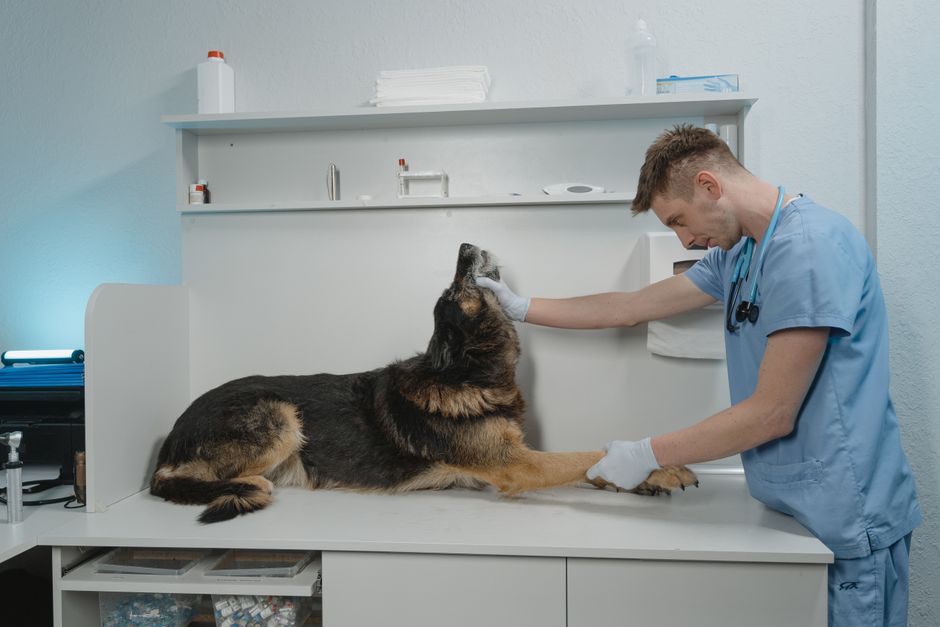
Treating and managing parasites requires a comprehensive approach tailored to your pet’s unique needs and lifestyle. At Parkway Veterinary Center, our veterinarians begin with a thorough examination, which may include checking for external parasites, evaluating skin and coat health, and recommending heartworm testing for both dogs and cats. Our in-house diagnostic laboratory allows us to quickly screen for internal parasites and confirm diagnoses, so we can start targeted treatment without delay.
For flea and tick infestations, treatment approaches involve prescription preventives that may be administered orally or topically, depending on your pet’s age, species, and health status. These medications not only kill adult parasites but also interrupt the life cycle to prevent re-infestation. If your dog or cat is already experiencing an infestation, our team may recommend additional steps such as medicated baths or environmental control strategies to eliminate eggs and larvae from your home.
Heartworm disease requires a different approach. If a dog tests positive, treatment can be complex and must be managed carefully; it often includes a combination of medications to kill adult worms and supportive therapy to minimize complications. For cats, treatment options are more limited, so prevention is absolutely critical. Our veterinarians will discuss the safest and most effective course of action for your individual pet, always prioritizing comfort and long-term health.
Preventing Parasites: Practical Steps for Pet Owners
The best way to protect your pet from fleas, ticks, and heartworms is a consistent, year-round prevention plan. Our veterinary team recommends using veterinarian-approved parasite preventives that are tailored to your dog or cat’s needs. These may include monthly oral or topical medications designed to repel and kill fleas and ticks, as well as heartworm preventives that also protect against intestinal parasites.
Regular grooming and frequent checks of your pet’s coat are especially important during the warmer months. After outdoor activities, inspect your dog or cat for ticks, focusing on hidden areas such as ears, between toes, and under collars. Promptly removing ticks with the proper technique can help prevent disease transmission. Keeping your yard tidy by mowing grass, trimming bushes, and removing debris can also reduce tick and flea habitats.
Indoor pets are not immune from risk, so it is essential to maintain prevention routines even if your dog or cat spends most of their time inside. Ensuring your pet receives semi-annual comprehensive exams is another critical step, as these visits allow for early detection of any health concerns and timely updates to your parasite prevention plan.
When to Seek Veterinary Care for Parasite Concerns
If you suspect your pet has fleas, ticks, or may have been exposed to heartworms, do not wait for symptoms to worsen before reaching out for help. Early intervention can prevent complications and minimize discomfort. Schedule an appointment if you notice persistent scratching, visible parasites, skin irritation, coughing, difficulty breathing, or any sudden changes in your pet’s behavior. It is especially important to consult your veterinarian if your pet is due for a comprehensive, nose-to-tail health assessment or has missed a dose of their preventive medication.
At Parkway Veterinary Center, our veterinary professionals are experienced in diagnosing and treating a wide range of parasite issues. We are here to answer your questions, recommend the best preventives for your pet’s lifestyle, and provide local expertise for Sarasota’s unique parasite challenges. If you are ever concerned about your pet’s health, our team is just a call away.
Protecting Your Sarasota Pet: Take Action this May
May is the perfect time to review your pet’s parasite prevention plan and ensure your dog or cat is fully protected for the months ahead. With Florida’s climate, skipping even a single dose can leave your pet vulnerable to fleas, ticks, and heartworms. By working with our team of veterinarians at Parkway Veterinary Center, you can enjoy peace of mind knowing your pet’s health is in expert hands.
If you are searching for a reliable "veterinarian near me," look no further than our convenient Sarasota location. We invite you to schedule a parasite prevention consultation or wellness exam by calling (941) 352-2674 or visiting us at 2820 University Pkwy, Sarasota, FL 34243. Let us help you keep your pets happy, comfortable, and protected all year long.
For more information about our vaccination services or to book your next semi-annual comprehensive exam, contact Parkway Veterinary Center today. We are committed to partnering with you in every season to ensure your pet’s best health and well-being.
This blog is for informational purposes only and does not replace professional veterinary care. Always contact your veterinarian if you have concerns about your pet’s health or parasite prevention needs.