
Dog Arthritis Treatment: Sarasota Solutions for Joint Pain Relief


Dog Arthritis Treatment: Sarasota Solutions for Joint Pain Relief
When your dog starts to slow down, struggles to rise from their bed, or hesitates to join in favorite activities, it’s natural to worry about their comfort and quality of life. Arthritis is one of the most common causes of chronic pain in older dogs, but it can affect younger dogs as well. At Parkway Veterinary Center, located at 2820 University Pkwy, Sarasota, FL 34243, our veterinary team understands how troubling it is to see your beloved companion in discomfort. That is why we provide comprehensive dog arthritis treatment options tailored to the needs of Sarasota pets and their families. In this blog, we’ll help you recognize the signs of canine arthritis, explain what causes joint pain in dogs, review effective treatment approaches, and share practical tips for keeping your dog active and comfortable year-round. If you are concerned about your dog’s mobility or pain, our veterinarians are here to help you find solutions and support your dog’s best life.
Recognizing the Signs: Is Your Dog Suffering from Arthritis?
Early recognition of arthritis symptoms is key to improving your dog’s comfort and slowing the progression of joint damage. Many pet owners first notice subtle changes in their dog’s behavior before obvious signs of pain appear. Common signs of arthritis in dogs include stiffness when getting up after rest, reluctance to jump or climb stairs, and a decrease in enthusiasm for walks or play. You might also observe limping, favoring one leg, or a noticeable change in gait. Some dogs show irritability or withdraw from interaction; others may lick or chew at sore joints. Changes in posture, muscle loss around the hips or shoulders, and difficulty lying down or standing up are also indicators that joint pain may be present.
It’s important to remember that not all dogs vocalize their pain. Instead, watch for these subtle shifts in movement and activity. If your dog begins yelping, crying out unexpectedly, or limping without an obvious injury, this may signal significant discomfort that requires immediate attention. For more detailed guidance, you can explore when to see a veterinarian if your dog is limping or if your dog is yelping or crying. When in doubt, scheduling a comprehensive exam with our veterinary team is the best way to determine the cause of your dog’s symptoms.
Understanding Why Dogs Get Arthritis
Arthritis, also known as degenerative joint disease or osteoarthritis, develops when the smooth cartilage that cushions a dog’s joints becomes worn down, leading to inflammation, pain, and reduced mobility. While aging is the most common risk factor, arthritis can also affect younger dogs, especially those with joint abnormalities such as hip or elbow dysplasia, previous injuries, or a history of intense physical activity.
Contributing factors to canine arthritis include excess body weight, which puts additional stress on joints, as well as certain breeds that are genetically predisposed to orthopedic issues. In Sarasota’s warm, humid climate, many dogs remain active year-round, which is great for overall health but may also reveal early signs of joint stiffness or pain as they age. Chronic conditions like Lyme disease and other infections can also play a role in joint health. No matter the cause, early detection and intervention are essential for managing arthritis and preserving your dog’s quality of life.
Dog Arthritis Treatment Options in Sarasota
Effective dog arthritis treatment involves a combination of veterinary care, lifestyle adjustments, and ongoing monitoring. At Parkway Veterinary Center, our approach is tailored to your dog’s individual needs, taking into account their age, breed, activity level, and overall health.
Comprehensive Veterinary Evaluation
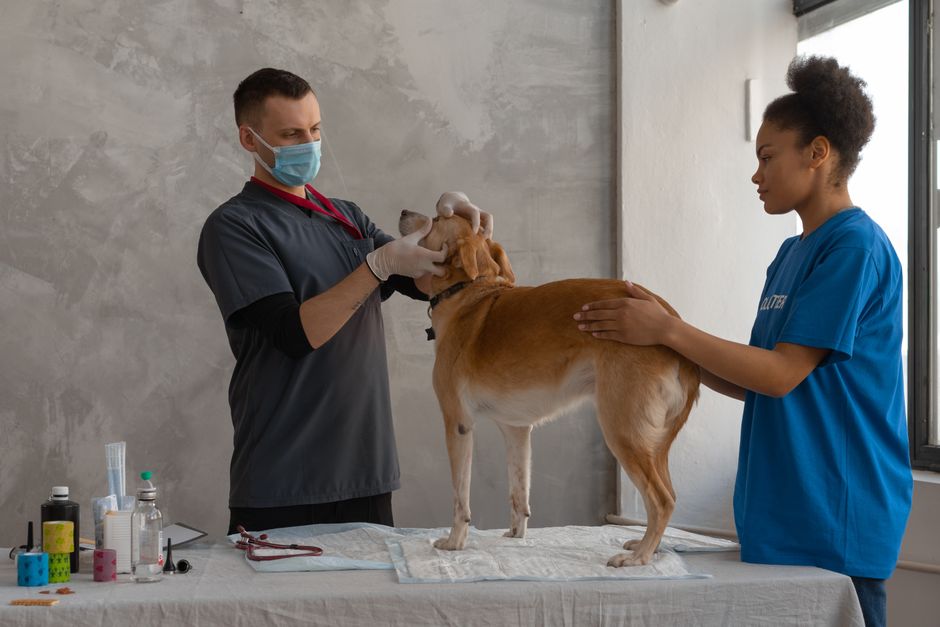
The first step in managing arthritis is a thorough veterinary examination. Our veterinarians perform a detailed musculoskeletal assessment, checking your dog’s joints for pain, swelling, decreased range of motion, and muscle loss. Diagnostic tools such as digital radiology help us visualize joint changes and rule out other conditions that can cause lameness or discomfort. We may also recommend laboratory tests to check for underlying diseases that can affect joint health.
Routine evaluations—including semi-annual comprehensive exams—are especially important for senior dogs or those already diagnosed with arthritis. These checkups allow our veterinary professionals to monitor your dog’s mobility, adjust treatment plans, and catch new issues early.
Medications and Advanced Therapies
Treatment for canine arthritis often starts with medications designed to reduce inflammation and relieve pain. Nonsteroidal anti-inflammatory drugs (NSAIDs) are commonly prescribed, but our veterinarians carefully select and monitor these medications to minimize side effects. In some cases, additional pain relievers, joint supplements, or injectable therapies may be recommended.
For dogs who need extra support, advanced modalities like K-Laser therapy can help manage pain and improve joint function. K-Laser therapy uses targeted light energy to stimulate cellular repair, reduce swelling, and promote circulation in affected joints. Many Sarasota pet owners have found this therapy helpful for dogs who cannot tolerate certain medications or who need additional pain control.
Weight Management and Nutrition
Maintaining a healthy weight is one of the most important ways to manage arthritis and slow its progression. Carrying extra pounds puts significant strain on your dog’s joints, intensifying pain and making it harder for them to move comfortably. Our veterinary team offers nutrition services to help you choose the right diet and portion sizes for your dog’s needs. We may recommend specific joint-support diets rich in omega-3 fatty acids, antioxidants, and other nutrients that support cartilage health.
Lifestyle Modifications and Home Care
Helping your dog stay comfortable at home involves thoughtful adjustments to their environment and daily routine. Provide soft, supportive bedding in a warm, draft-free area to cushion sore joints. Consider using ramps or stairs to make it easier for your dog to access favorite spots without jumping. Gentle, consistent exercise helps maintain muscle strength and flexibility; short, frequent walks are often better than long, strenuous outings. Swimming or leash walking on soft surfaces like grass can be excellent low-impact exercise options for many dogs with arthritis.
Regular grooming is also important, as it helps keep your dog’s skin and coat healthy and gives you a chance to check for new lumps, bumps, or sore spots. Our team can offer advice on grooming and at-home care strategies that make life easier for both you and your dog.
Preventing Arthritis Progression and Supporting Your Dog at Home
While some factors contributing to arthritis—like genetics or age—are beyond your control, there are proactive steps you can take to reduce your dog’s risk and slow the progression of joint disease. Keeping your dog at a healthy weight, providing regular exercise, and using joint-protective supplements as recommended by your veterinarian all help safeguard long-term mobility. Scheduling routine veterinary checkups ensures that any early signs of arthritis are caught and managed promptly.
Environmental changes such as installing non-slip rugs or mats, using raised food and water bowls, and ensuring easy access to outdoor areas can make a significant difference in your dog’s day-to-day comfort. If your dog is a senior, specialized senior pet care services can further address age-related changes, including arthritis and mobility challenges, with a holistic approach tailored to their needs.
When to Seek Professional Veterinary Care
If you notice ongoing stiffness, limping, reluctance to play, or any signs of pain in your dog, it is important to schedule an appointment with your veterinarian. Sudden or severe lameness, vocalization, or changes in appetite and behavior should never be ignored. Some conditions that mimic arthritis symptoms—including infections, ligament injuries, or neurological problems—require prompt diagnosis and treatment.
Our veterinarians at Parkway Veterinary Center are equipped to perform a thorough evaluation, recommend appropriate diagnostic tests, and design a treatment plan that brings lasting relief. For ongoing concerns, regular comprehensive veterinary examinations allow us to monitor your dog’s progress and adjust therapies as needed, ensuring they receive the best possible care at every stage of life.
Sarasota’s Trusted Partner for Dog Arthritis Treatment and Joint Care
Arthritis does not have to mean the end of an active, joyful life for your dog. With timely intervention, the right treatment plan, and compassionate support from our veterinary team, your dog can continue to enjoy favorite activities and share special moments with your family. If you are searching for a “vet near me” who truly understands dog arthritis treatment and is dedicated to your pet’s comfort, Parkway Veterinary Center is here for you.
We invite you to contact our team to schedule a comprehensive arthritis evaluation or discuss any concerns you have about your dog’s mobility. You can reach us at (941) 352-2674 or visit us at 2820 University Pkwy, Sarasota, FL 34243. We proudly serve Sarasota and surrounding communities with high-quality, individualized care for dogs at every life stage.
For more information about dog arthritis treatment, advanced pain relief options, or supporting your dog’s long-term health, explore our website or discuss your questions with our veterinarians during your next visit. Together, we will find the best solutions for your dog’s comfort and wellbeing—because every dog deserves to move through life without pain.
This article is intended for informational purposes only and should not replace professional veterinary advice. If you have specific concerns about your dog’s health or suspect arthritis, please consult with your veterinarian for a personalized diagnosis and treatment plan.