
Cat Shaking: Causes, When to Worry, and What to Do
Cat Shaking: Causes, When to Worry, and What to Do
Is your cat suddenly trembling, twitching, or shaking, and you’re not sure what’s wrong? As a pet owner in Sarasota, FL, noticing your cat shaking can be alarming, especially with the region’s warm, humid weather that sometimes brings unique health challenges for our feline companions. At Parkway Veterinary Center, we understand how distressing it can be to see your cat exhibit unusual symptoms. This blog will help you understand what might cause cat shaking, how to recognize when it’s a sign of something serious, and what steps you should take next. You’ll also learn how our Sarasota veterinary team can support your cat’s health, from precise diagnostics to compassionate care at our 2820 University Pkwy, Sarasota, FL 34243.
We’ll cover the most common causes of cat shaking, why this symptom appears, and what to expect if you schedule an appointment with our veterinary team. Whether you live right in Sarasota or in a nearby community, Parkway Veterinary Center is committed to ensuring your cat stays healthy, comfortable, and safe. If you’re searching for answers about cat shaking, you’re in the right place.
Recognizing Cat Shaking: What Does It Look Like?
Cat shaking can take several forms, and knowing how to identify this behavior is the first step. Some pet owners notice their cat’s entire body trembling, while others see more localized shaking, such as twitching in the legs, tail, or head. Shaking may occur when your cat is at rest or during activity, and it can be constant or come and go.
Common signs of cat shaking include rhythmic muscle tremors, visible shivering, or sudden, jerky movements. Sometimes, a cat may appear to be cold, curling up or seeking warmth, even in Sarasota’s muggy September weather. You might also spot your cat hiding more than usual, acting disoriented, or displaying signs of distress. Other associated symptoms can include drooling, unusual vocalizations, decreased appetite, or difficulty walking.
It’s important to observe the context and frequency of your cat’s shaking. Is it only happening after a stressful event, or does it persist regardless of the situation? Are there changes in your cat’s behavior, energy level, or appetite? These details provide valuable clues when discussing your concerns with your veterinarian. For more information on when cat shaking is serious, visit our page on when a cat's shaking or trembling requires attention.
Why Is My Cat Shaking? Common Causes in Sarasota Cats
Understanding the possible reasons behind cat shaking can help you determine when to worry and what steps to take. In Sarasota, the local climate and environment sometimes add unique factors to consider, but most causes fall into a few broad categories.
Medical Causes of Cat Shaking
Health conditions are among the most common culprits. Fever is a frequent cause, especially in cats battling infections. When a cat’s temperature rises, shivering or trembling can result as the body tries to regulate its internal temperature. Pain is another significant factor; cats experiencing discomfort from injuries, dental disease, or internal issues may shake as a response.
Certain neurological conditions, such as seizures or tremors, can also manifest as shaking. In these cases, you may notice your cat’s movements are uncontrolled or accompanied by loss of consciousness, paddling, or confusion. For a deeper look at neurological symptoms and when they require veterinary care, review our information about cat seizures and signs that warrant veterinary care.
Metabolic disorders, including low blood sugar (hypoglycemia), kidney or liver disease, and thyroid imbalances, sometimes lead to trembling or muscle twitches. Additionally, exposure to toxins or ingesting something harmful can trigger shaking, vomiting, or more severe reactions.
Environmental and Emotional Factors
Cats are sensitive creatures, and stress or anxiety can sometimes trigger shaking. Loud noises, new environments, or changes in household routines may cause your cat to tremble, especially if they are already prone to nervousness.
Temperature extremes, even in Florida’s generally warm climate, can also play a role. For example, if your air conditioning is set very low or your cat gets wet and chills, shivering can occur as a normal response to cold.
Less Common but Serious Causes
Rarely, shaking may signal more serious underlying problems such as poisoning, severe infections, or advanced neurological disease. If your cat’s shaking is accompanied by collapse, trouble breathing, pale gums, or sudden behavioral changes, these are emergencies that require immediate veterinary attention.
Diagnostic Steps: How Parkway Veterinary Center Investigates Cat Shaking
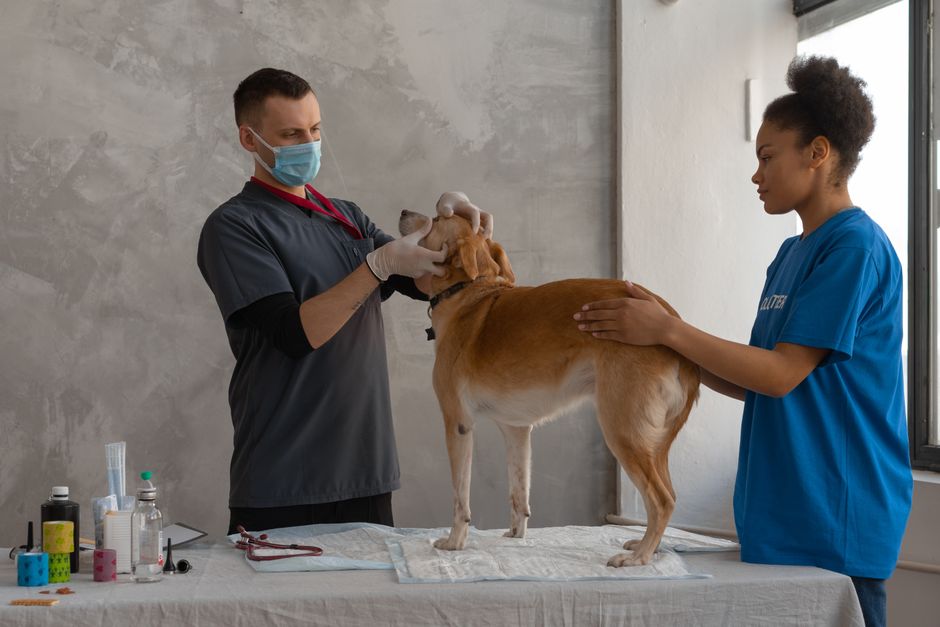
When you schedule an appointment at Parkway Veterinary Center, our team of veterinarians will begin with a thorough examination and a detailed discussion of your cat’s history. We’ll ask questions about the onset, duration, and frequency of shaking, as well as any other symptoms you’ve noticed. This helps us narrow down the potential causes.
A nose-to-tail evaluation will be performed to check for pain, fever, or signs of injury. Depending on your cat’s condition, we may recommend diagnostic tests such as bloodwork, urinalysis, or fecal exams to assess for infection, metabolic imbalances, or organ dysfunction. Our in-house diagnostic laboratory services allow us to obtain quick and accurate results right here in Sarasota, saving valuable time when your cat’s health is at stake.
If neurological conditions, internal injuries, or more complex diseases are suspected, advanced imaging such as digital radiology or ultrasound may be necessary. These tools help us visualize internal organs, detect hidden injuries, and assess for tumors or other serious issues.
Treatment Options and What to Expect
Treatment for cat shaking depends on the underlying cause. If an infection or fever is to blame, appropriate medications such as antibiotics or supportive care may be prescribed. Pain management, including safe feline pain relievers, will be considered if injury or dental disease is detected.
For metabolic or hormonal issues, stabilizing your cat’s condition and addressing the root cause is the priority. This may involve dietary changes, fluid therapy, or specific medications to correct imbalances. If a toxin or poisoning is suspected, rapid intervention is critical; our veterinary team may need to induce vomiting, administer activated charcoal, or provide intravenous fluids and supportive care.
Neurological causes require a tailored approach, which might include anticonvulsant medications, further diagnostics, or referral to a specialist if the condition is especially complex. Throughout the process, we keep you informed, answer your questions, and make sure your cat is as comfortable as possible during their stay at Parkway Veterinary Center.
Home Care and Prevention: Keeping Your Cat Comfortable
While some causes of cat shaking require professional intervention, there are steps you can take at home to support your feline friend’s health and comfort. Monitor your cat’s environment, ensuring they have a safe, warm, and quiet space to rest. Avoid exposing your cat to known toxins, household chemicals, or plants that can be harmful.
If your cat is anxious or easily stressed, maintain a consistent routine and provide plenty of enrichment, such as interactive toys or safe hiding spots. During Sarasota’s hot and humid months, make sure your home is well-ventilated and that your cat has access to fresh water at all times. Keep an eye on your air conditioning settings; cats can get chilly if temperatures drop too low, even in Florida.
Regular veterinary visits are a cornerstone of prevention. Semi-annual wellness examinations at Parkway Veterinary Center help us catch problems early, identify subtle changes in your cat’s health, and build a plan to keep them thriving year-round.
When to Seek Veterinary Care for Cat Shaking
It can be tough to decide when cat shaking is a harmless quirk and when it signals a bigger problem. In general, you should schedule an appointment with our veterinary team if your cat’s shaking is persistent, worsens over time, or is accompanied by other symptoms such as lethargy, vomiting, diarrhea, loss of appetite, or changes in behavior.
Seek immediate veterinary attention if your cat collapses, has difficulty breathing, experiences a seizure, or appears severely ill. These are emergencies that require prompt intervention. For more detailed guidance, refer to our resource on when a cat's shaking or trembling requires attention.
Remember, it’s always better to err on the side of caution when your cat’s health is at stake. Our team at Parkway Veterinary Center is here to provide expertise, support, and peace of mind, whether your cat needs a routine check or urgent care.
Supporting Your Cat’s Health in Sarasota and Beyond
Cat shaking can be unsettling, but with the right information and prompt veterinary care, most cats recover well. By paying attention to the signs, understanding common causes, and knowing when to seek help, you’re taking important steps to protect your feline friend’s wellbeing.
If you notice your cat shaking and are searching for a "vet near me," Parkway Veterinary Center is committed to providing compassionate, comprehensive care for cats in Sarasota and surrounding communities. Our experienced veterinary professionals are ready to help, whether you need a diagnostic evaluation, ongoing management, or preventive care. Schedule an appointment today by calling (941) 351-8888 or visit us at 2820 University Pkwy, Sarasota, FL 34243. For more information on keeping your cat healthy, explore our resources on semi-annual comprehensive wellness examinations and diagnostic laboratory services.
Your cat’s comfort and health are always our top priority. If you have any concerns about cat shaking or any other symptoms, don’t hesitate to reach out to our veterinary team for guidance and support.